Setting Up a New Clinic - A Furniture and Equipment Checklist
Opening a new practice is exciting and overwhelming. This checklist ensures you do not miss any essential furniture and equipment decisions.
Setting up a new clinic is one of the most expensive and stressful things you will do in your career. The furniture and equipment you choose on day one will affect your clinical workflow, your patient experience, and your operating costs for years.
Here is a practical checklist organised by priority.
Treatment rooms - the essentials
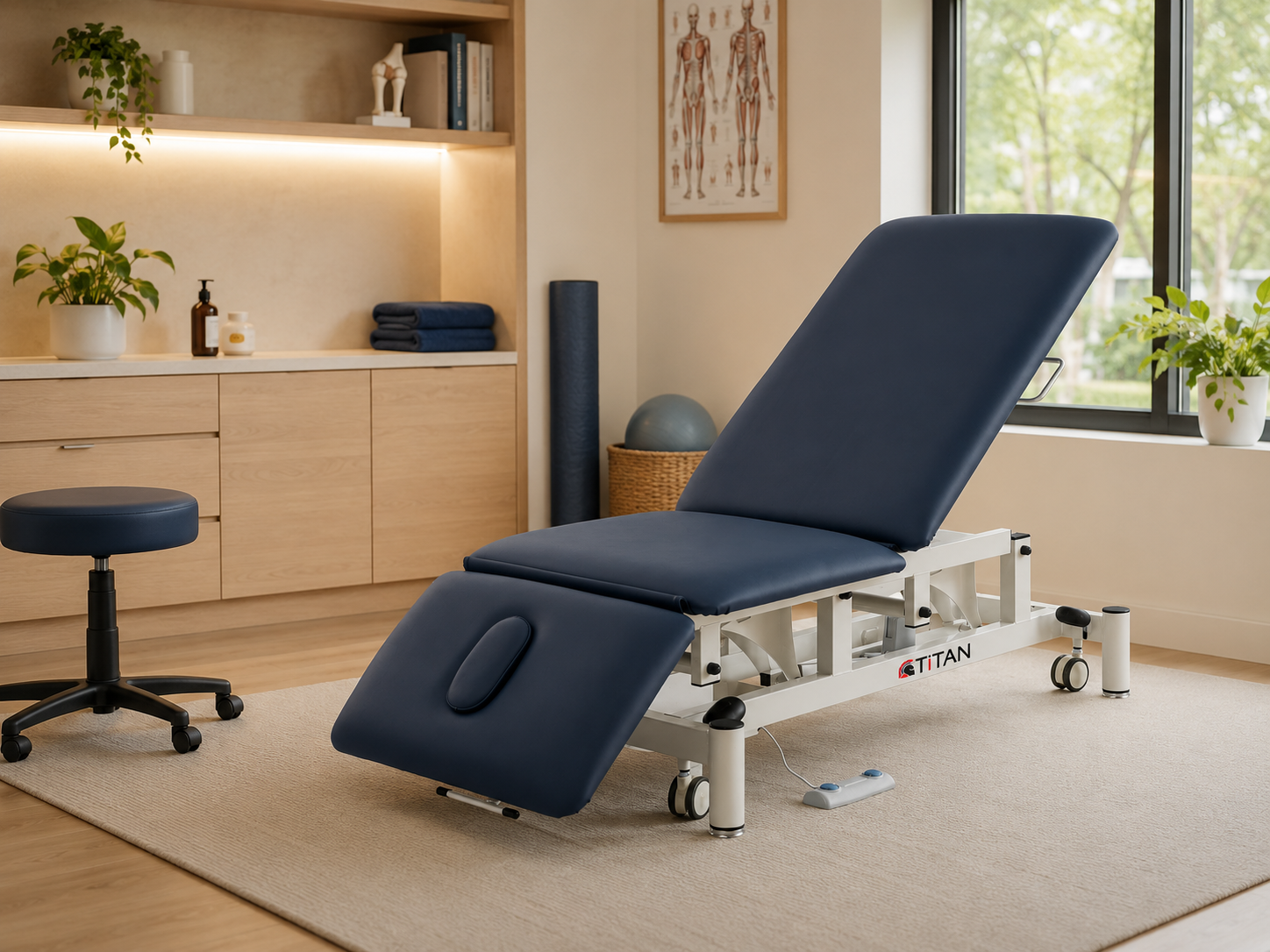
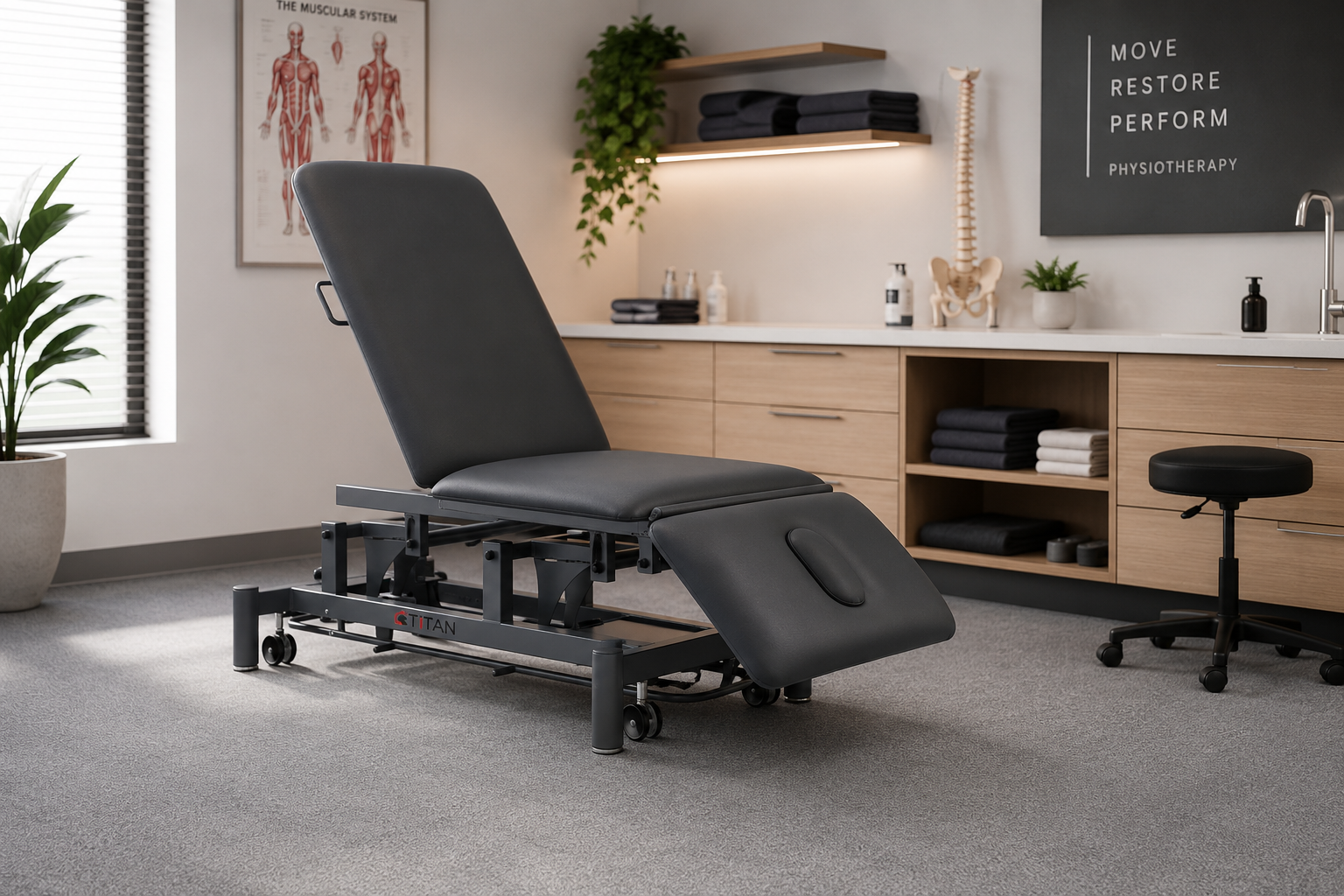
Treatment tables are your most important purchase. Budget for the best you can afford, because this is the equipment you and your patients interact with every single day. For a typical physiotherapy, chiropractic, or osteopathy clinic, you need one table per treatment room.
Practitioner stools are the second priority. A height-adjustable stool with a stable five-star base saves your back and lets you work at the right level relative to the table. Round stools suit general practice. Saddle stools suit practitioners who need to lean forward for extended periods.
A clinical trolley per treatment room keeps your tools, tapes, and consumables within arm's reach. Stainless steel trolleys are the gold standard for infection control.
Reception and waiting area
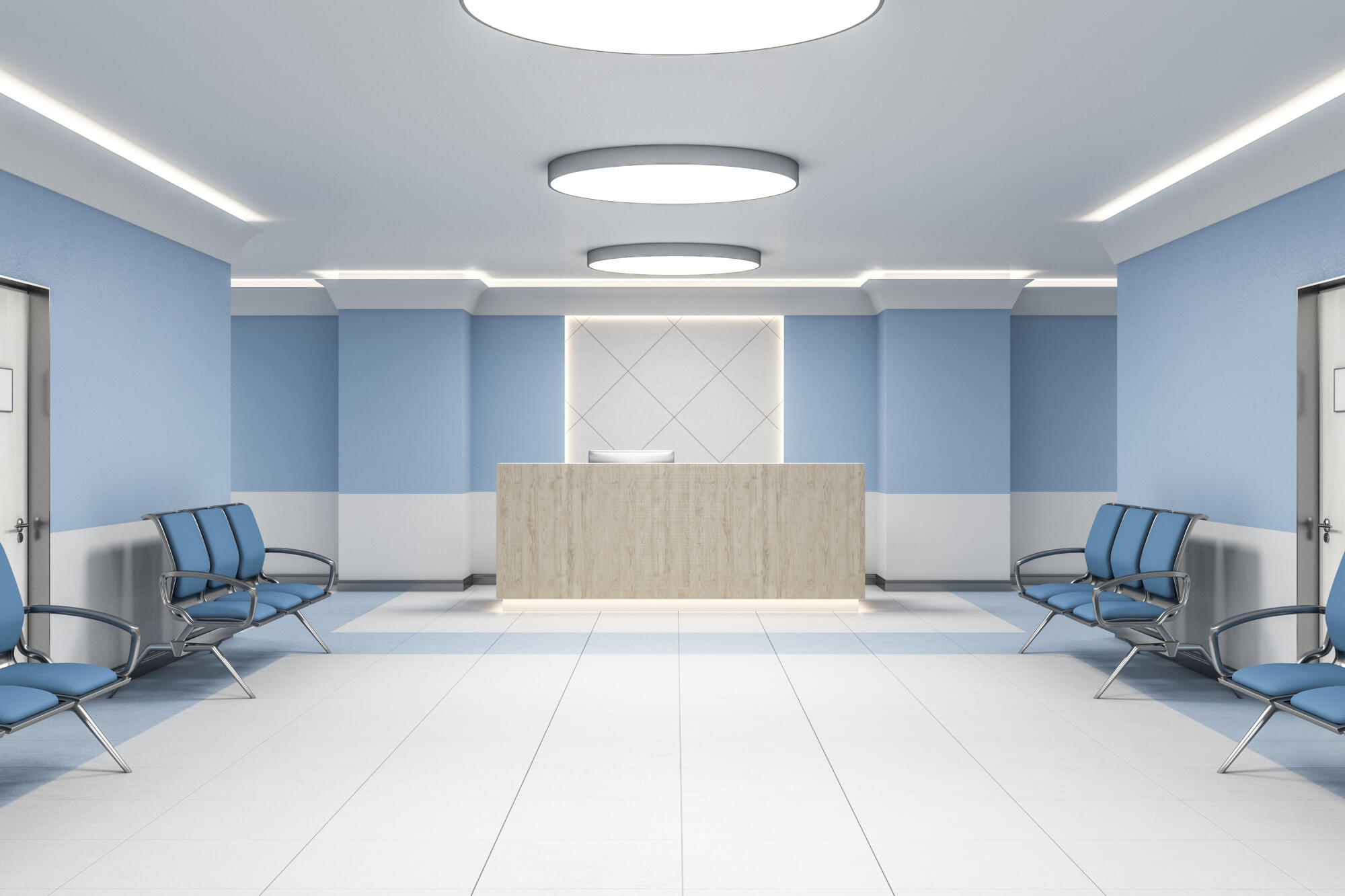
The waiting area is your first impression. It does not need to be expensive, but it needs to be clean, comfortable, and professional. Choose seating that is easy to wipe down and stands up to heavy use.
A reception desk should be functional first and attractive second. Make sure it has space for a computer, phone, and EFTPOS terminal without looking cluttered.
Storage and consumables
Cabinet-style treatment tables serve double duty by combining a treatment surface with built-in storage drawers and doors. These are ideal for smaller clinics where floor space is at a premium.
Freestanding storage cabinets are essential for consumables, linen, and equipment that does not fit in your treatment rooms.
Mobility and access equipment
Step stools (single or double step) are a small purchase that makes a big difference. They help patients get on and off treatment tables safely and reduce your liability.
Privacy screens are required if you share treatment spaces or have open-plan treatment areas. Mobile folding screens offer flexibility.
Specialist equipment by discipline
Physiotherapy clinics should budget for traction tables, exercise equipment, and portable treatment options for home visits or sports coverage.
Chiropractic clinics need adjustment tables with drop sections. Consider whether you need cervical, thoracic, lumbar, and pelvic drops based on your technique preferences.
Beauty and spa businesses need tables with electric height adjustment, reclining back and leg sections, removable arm rests, and premium upholstery that matches their interior design.
Sports clubs and schools need durable, no-frills treatment benches with storage. Cabinet-style tables are popular here because they provide a treatment surface and equipment storage in one piece.
Portable equipment
If you do home visits, sports coverage, or corporate wellness, you need a portable massage table or chair. Look for lightweight aluminium frames, quick-fold mechanisms, and carry cases.
Portable massage chairs are excellent for corporate wellness events and sports sideline treatment. They fold compactly and set up in under a minute.
Budgeting tips
Do not buy everything at once. Start with one fully equipped treatment room and expand as revenue grows. Many practitioners over-invest in fit-out and under-invest in marketing, which means they have beautiful empty rooms.
Prioritise items that affect clinical outcomes and patient safety. The treatment table and stool matter more than the wall art.
Buy from suppliers who offer ongoing support and spare parts in Australia. The cheapest table from an overseas supplier with no local support is a false economy.
Planning your layout
Before purchasing anything, sketch your room layouts with measurements. Treatment tables need clearance on all sides for practitioner access. A standard 3-section table is approximately 190cm long and 65-70cm wide. Allow at least 80cm of clearance on the sides and 60cm at the head and foot.
Consider patient flow from reception to treatment room to exit. The smoother this flow, the more patients you can see per day without feeling rushed.