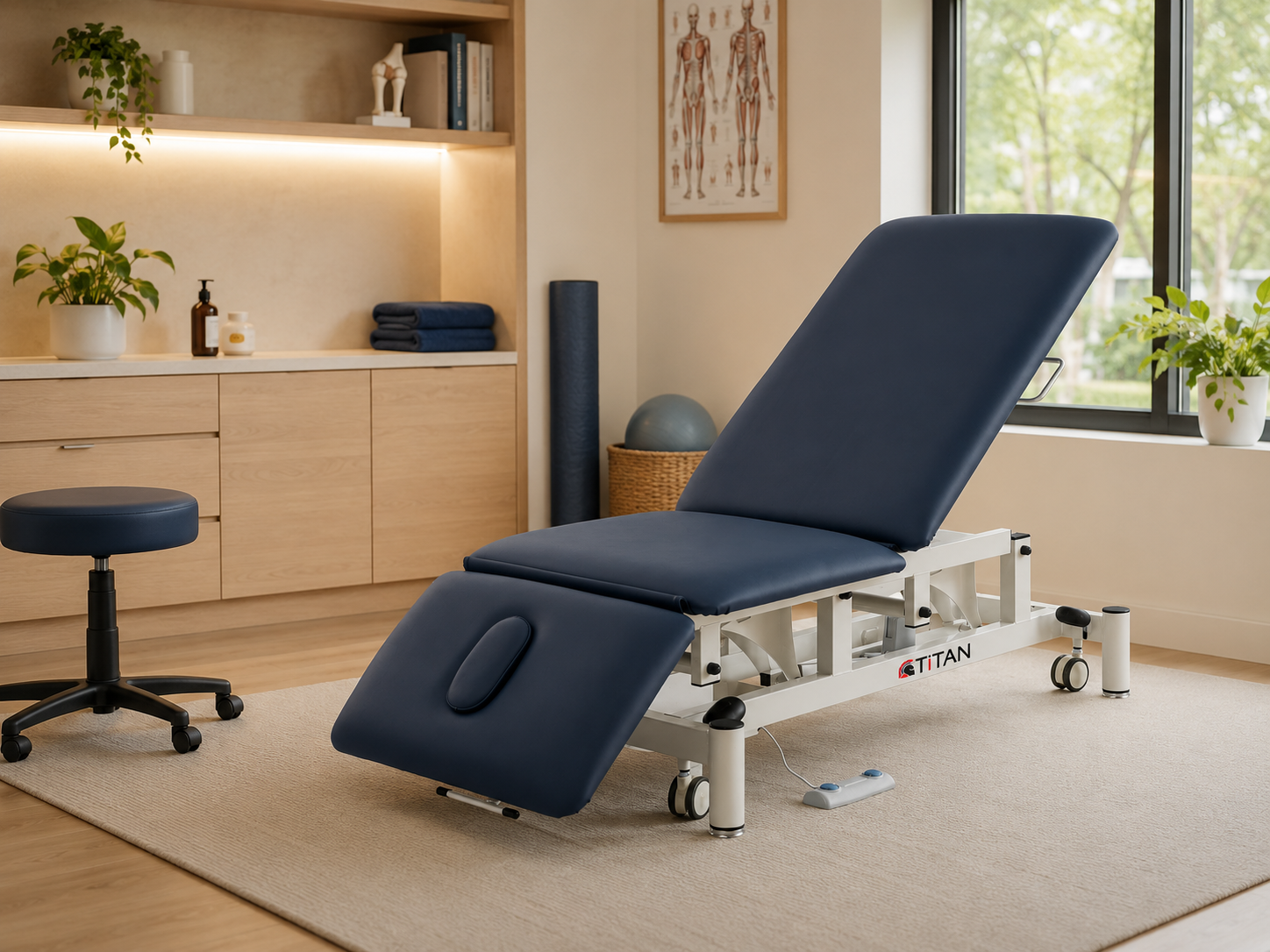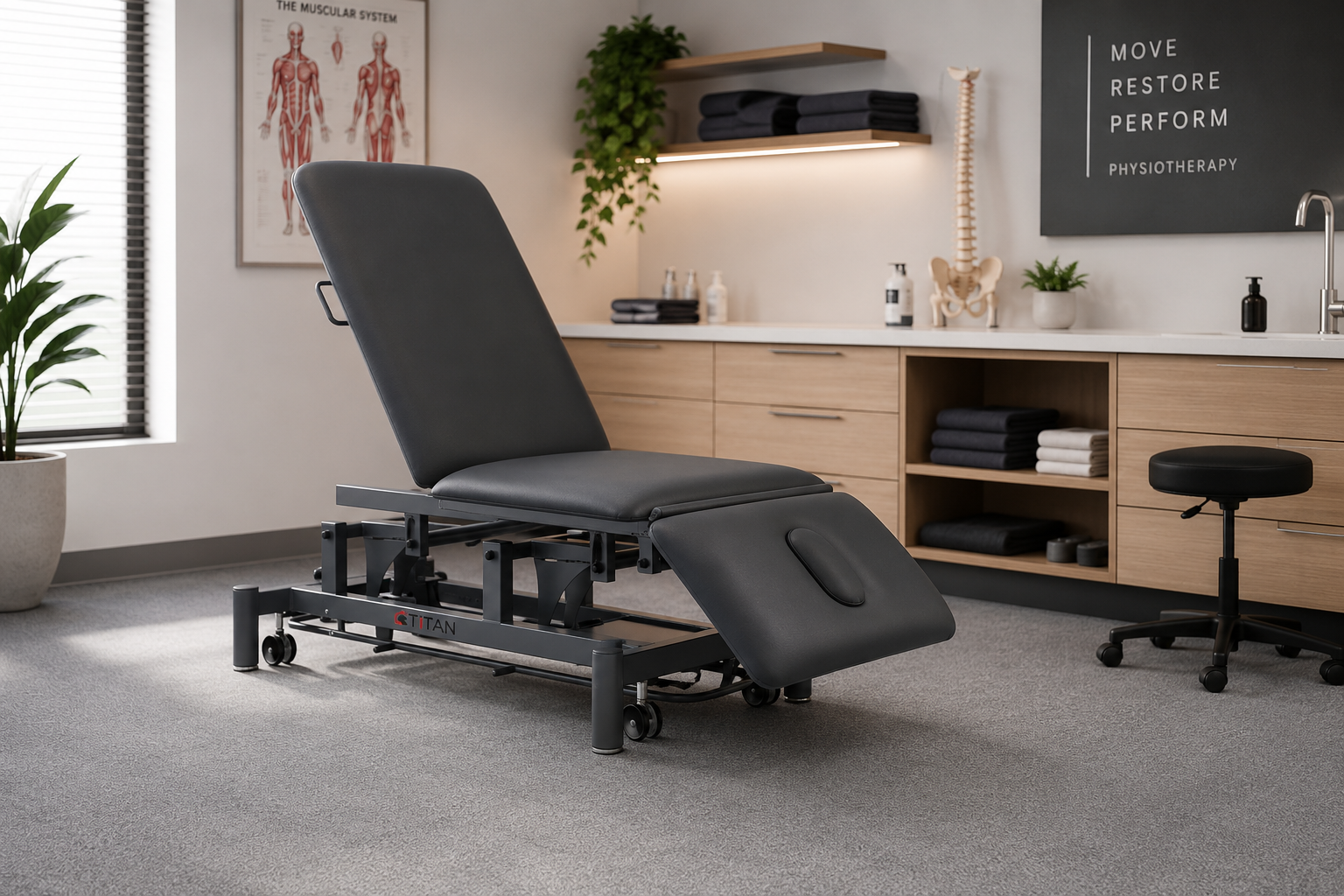
Electric vs Hydraulic vs Fixed Height Tables - Which Is Right for You
The height adjustment mechanism is one of the biggest decisions when buying a treatment table. Each type has real trade-offs. Here is an honest comparison.
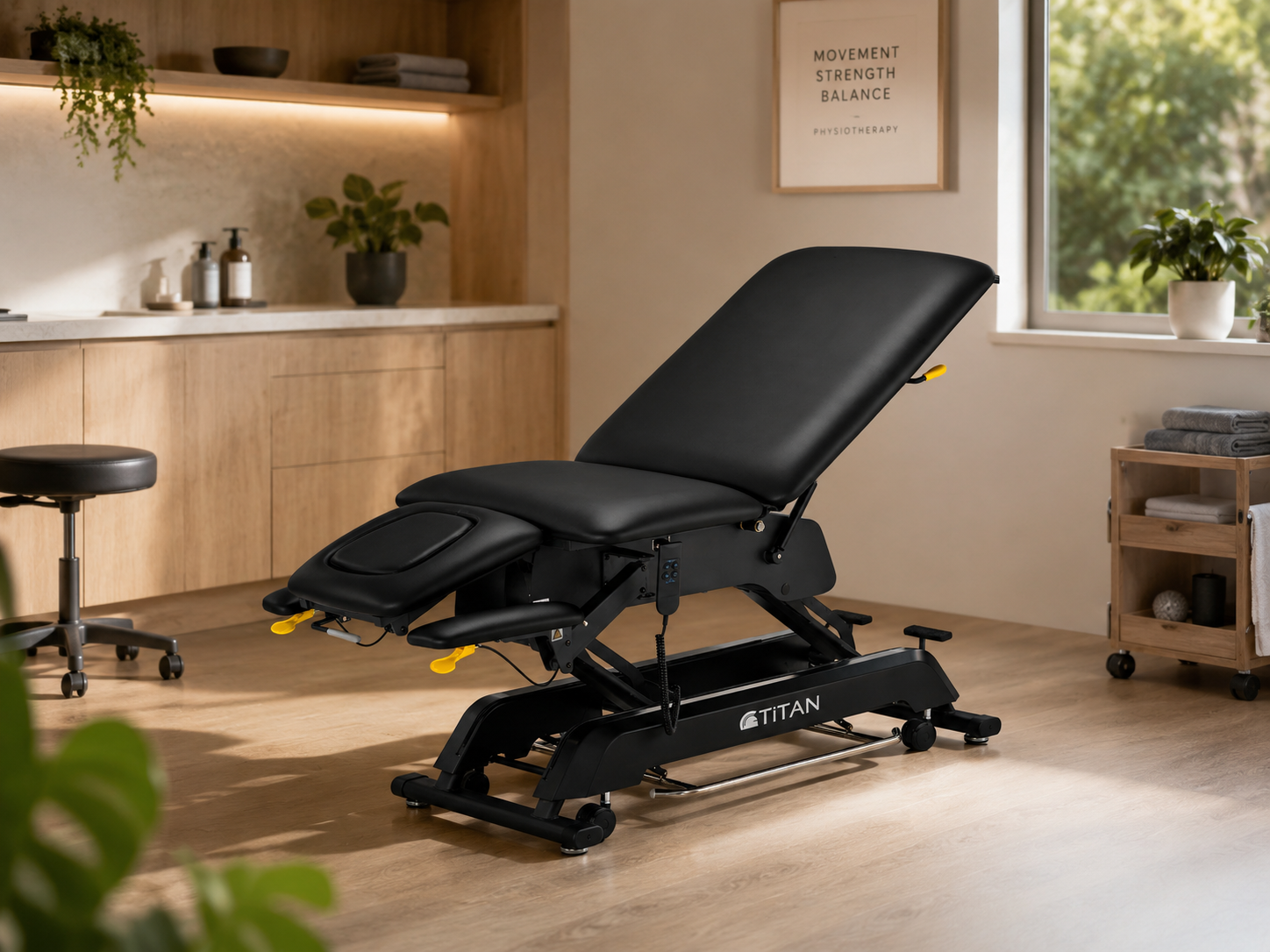
Every treatment table falls into one of three categories based on how it adjusts height. This is arguably the most important decision you will make when buying a table, because it affects your daily workflow, your body, and your budget.
Here is a straight comparison with no sales pitch.
Fixed height tables
Fixed height tables are exactly what they sound like. The height is set during manufacturing and cannot be changed.
They are the cheapest option, typically used in settings where the same practitioner uses the table all day and the patient population is relatively uniform. School medical rooms, sports club rooms, and some massage practices use fixed height tables.
The advantage is simplicity. No motors, no hydraulics, no moving parts to fail. A fixed height table can last decades with virtually no mechanical maintenance.
The disadvantage is obvious. If the height does not suit you, there is no fix. If you share the table with a colleague who is a different height, one of you is compromising your posture every session. If you use techniques that work best at different heights (low for mobilisation, high for soft tissue), you are stuck.
Fixed height tables suit single-practitioner environments where the work is consistent and the practitioner is comfortable at the set height. For everyone else, they create ergonomic problems.
Hydraulic tables
Hydraulic tables use a foot-operated pump to raise the table and a release valve to lower it. They offer variable height without needing electricity.
The mid-range price point makes them popular with new practitioners and smaller clinics. They are reliable, relatively quiet, and do not need a power outlet.
The pumping action is the main drawback. Raising a hydraulic table from its lowest to highest point takes 15-25 pumps depending on the model and the patient's weight. That adds up across a full day of patients. The lowering is smooth (gravity-assisted via a release valve), but raising is genuinely physical effort.
Hydraulic tables also tend to have a narrower height range than electric tables. Most hydraulic models offer a range of roughly 55-85cm, which may not go low enough for practitioners who use floor-level techniques or high enough for tall practitioners.
Hydraulic tables suit practitioners on a tighter budget who treat moderate patient volumes and do not need extreme height ranges. They are a solid middle ground.
Electric tables
Electric tables use a motor (usually a single or dual actuator) controlled by a foot pedal or hand switch. Press down to lower, press up to raise. The adjustment is smooth, quiet, and effortless.
The height range is typically wider than hydraulic models. Quality electric tables go from around 50cm to 100cm, covering virtually every practitioner height and treatment technique.
The foot pedal operation means you can adjust height mid-treatment without using your hands, which is a genuine workflow advantage during manual therapy. You can lower the table to help a patient get on, raise it to your working height, and adjust throughout the session without interrupting your treatment.
The cost is higher than hydraulic and fixed options. A quality electric table typically costs 30-50% more than its hydraulic equivalent. The motor also adds weight (electric tables are typically 70-90kg vs 40-60kg for hydraulic) and introduces a component that may eventually need servicing or replacement.
Electric tables suit busy practices with high patient volumes, practitioners who use varied techniques at different heights, and anyone who wants to protect their own body from the cumulative strain of manual height adjustment.
The honest recommendation
If you are treating more than 10 patients per day, go electric. The ergonomic benefit and time savings compound over years. Your back will thank you.
If you are on a strict budget and treating moderate volumes, hydraulic is a sensible choice. Upgrade to electric when your practice grows.
If you are setting up a sports club room, school medical centre, or single-purpose space where the table rarely needs adjusting, fixed height saves money without significant compromise.
Do not buy a fixed height table for a multi-practitioner clinical environment. That is a false economy that will cost you in practitioner burnout and patient experience.